
In the realm of business technology, the landscape of ERP software in Malaysia is undergoing a significant transformation. As organizations strive to gain a competitive edge and optimize their operations, the role of ERP solutions has become increasingly pivotal https://aspert.com.my/e-invoice/. The intricacies of integrating ERP software within the Malaysian business ecosystem raise compelling questions about the challenges and opportunities that lie ahead. Stay tuned to explore how ERP software is reshaping the Malaysian business arena and the strategic implications it holds for companies navigating the digital age.
Growing Adoption of ERP Software
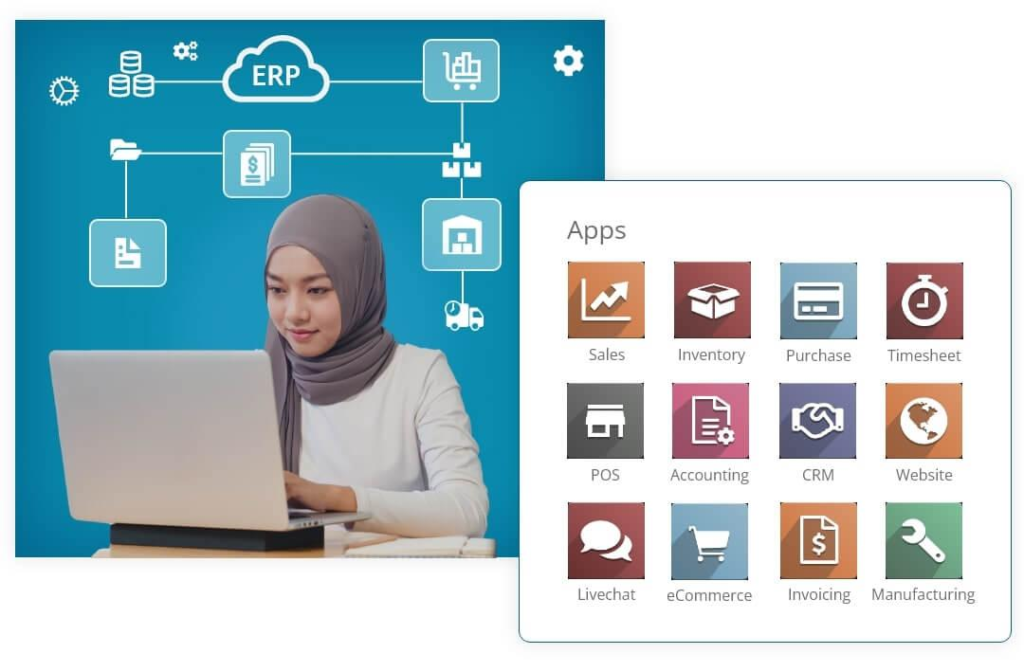
The escalating trend in the implementation of ERP software solutions across various industries in Malaysia underscores the growing adoption of advanced technological systems for enhanced operational efficiency. Companies are increasingly turning to ERP software to streamline processes, improve decision-making, and drive business growth.
This surge in adoption can be attributed to the numerous benefits that ERP systems offer, such as integrated data management, automation of routine tasks, and real-time insights into business operations. By centralizing information and standardizing processes, ERP software enables organizations to operate more cohesively and respond swiftly to market changes.
As businesses in Malaysia strive for competitive advantage and sustainable growth, the uptake of ERP solutions is expected to continue expanding across industries.
Key Benefits for Businesses
Enhancing operational efficiency and driving growth, businesses in Malaysia leverage ERP software to capitalize on integrated data management and streamlined processes. By centralizing data from various departments into a single system, ERP software eliminates data silos, enhances collaboration, and provides real-time insights for informed decision-making.
Improved efficiency is achieved through automation of repetitive tasks, reducing manual errors, and optimizing resource utilization. Moreover, ERP systems enhance customer satisfaction by enabling timely responses to inquiries, tracking orders accurately, and ensuring on-time delivery.
With enhanced visibility into business operations, organizations can identify areas for improvement, optimize workflows, and adapt quickly to changing market conditions, ultimately gaining a competitive edge in the Malaysian business landscape.
Driving Business Growth With ERP
In the context of business operations in Malaysia, leveraging ERP software plays a pivotal role in driving sustainable growth and maximizing organizational potential. By integrating various business processes into a centralized system, ERP software enables companies to streamline operations, enhance efficiency, and make data-driven decisions.
This technology provides real-time insights into key performance indicators, allowing businesses to identify areas for improvement and capitalize on opportunities for expansion. Moreover, ERP systems facilitate cross-departmental communication and collaboration, fostering a more cohesive and agile organizational structure.
Through automation of routine tasks and improved resource allocation, businesses can achieve cost savings and allocate resources more strategically, ultimately driving business growth and competitiveness in the Malaysian market.
Trends in ERP Software Usage
The adoption of cloud-based ERP solutions is on the rise in Malaysia. This trend offers businesses scalability, flexibility, and cost-efficiency. Additionally, the increasing use of mobile ERP applications enables companies to access real-time data and streamline operations on-the-go. This enhances productivity and decision-making processes. These trends reflect a shift towards more agile and accessible ERP solutions tailored to meet the evolving needs of Malaysian businesses.
Cloud-Based ERP Solutions
What impact has the shift towards cloud-based ERP solutions had on the overall landscape of ERP software usage in Malaysia?
Cloud-based ERP solutions have revolutionized the way businesses in Malaysia manage their operations. The flexibility and scalability offered by cloud-based ERP systems allow companies to adapt to changing business needs more efficiently. With lower upfront costs and reduced IT infrastructure requirements, cloud-based ERP solutions have made advanced ERP technology accessible to a wider range of businesses in Malaysia.
Additionally, the ability to access real-time data from anywhere has enhanced decision-making processes, leading to improved overall efficiency. As more companies in Malaysia recognize the benefits of cloud-based ERP solutions, the adoption rate continues to rise, shaping the future of ERP software in the country.
Mobile ERP Applications
Amidst the evolving landscape of ERP software in Malaysia, the utilization of mobile ERP applications is emerging as a pivotal trend shaping the way businesses manage their operations efficiently.
Mobile ERP applications allow employees to access real-time data, make informed decisions, and collaborate seamlessly from anywhere, enhancing productivity and flexibility.
With the increasing reliance on mobile devices, businesses are leveraging these applications to streamline processes, improve communication, and facilitate faster decision-making.
The convenience of accessing ERP systems on mobile devices empowers users to stay connected and productive on the go, leading to enhanced operational efficiency.
As businesses strive to stay competitive and agile, the adoption of mobile ERP applications is becoming increasingly essential in Malaysia’s dynamic business environment.
Choosing the Right ERP Provider
Selecting an ERP provider requires a comprehensive evaluation of various factors to ensure seamless integration with your organization’s operations. When choosing the right ERP provider in Malaysia, consider factors such as:
- The provider’s experience in the industry
- The scalability of their solutions
- Their track record of successful implementations
- Their understanding of local regulations and business practices
It is crucial to assess:
- The level of support and training offered by the provider
- Their ability to customize the ERP system to meet your specific business needs
Additionally, evaluating:
- The provider’s reputation
- Customer reviews
- Pricing structure
Can help in making an informed decision that aligns with your organization’s goals and requirements.
Customizing ERP Solutions for Malaysia
When customizing ERP solutions for Malaysia, it is essential to align the system with local regulatory requirements and business practices to optimize operational efficiency. Malaysia has specific laws and standards that businesses need to adhere to, such as the Malaysian Financial Reporting Standards (MFRS) and Goods and Services Tax (GST) regulations.
Customization should focus on incorporating functionalities that cater to these requirements, ensuring seamless compliance and reporting. Additionally, cultural factors play a significant role in shaping business practices in Malaysia, emphasizing the importance of customization to suit local norms and preferences.
Case Studies: Successful ERP Implementations
Successful ERP implementations in Malaysia showcase how companies have navigated through implementation challenges, identified key success factors, and embraced lessons learned.
By examining these case studies, valuable insights can be gained into the strategies and best practices that lead to successful ERP adoption in the Malaysian business landscape.
Understanding the nuances of these implementations can provide a roadmap for other organizations looking to embark on similar ERP journeys in Malaysia.
Implementation Challenges Overcome
Navigating through complex organizational structures, ERP software implementation in Malaysia has witnessed significant challenges being successfully overcome through strategic planning and innovative approaches.
One notable case study involves a large multinational corporation that streamlined its operations by implementing ERP software, overcoming resistance to change by involving employees in the process from the outset. By providing extensive training and support, the company ensured a smooth transition, leading to increased efficiency and improved decision-making processes.
Another example is a medium-sized enterprise that tackled integration issues by carefully mapping out existing processes and customizing the ERP system to fit its unique needs. These successful implementations highlight the importance of proactive problem-solving and collaboration in overcoming implementation challenges.
Key Success Factors
Amidst the landscape of ERP software implementation in Malaysia, the key success factors that underpin successful ERP implementations reveal strategic planning and innovative approaches as critical components in achieving organizational efficiency and overcoming implementation challenges.
Case studies of successful ERP implementations highlight the significance of thorough planning, alignment of ERP systems with business goals, strong leadership support, effective change management, robust communication channels, and continuous training programs.
Companies that have excelled in ERP implementation in Malaysia have demonstrated a commitment to customization based on specific organizational needs, proactive issue resolution strategies, and a focus on long-term sustainability rather than just immediate gains.
These key success factors serve as guiding principles for organizations seeking to navigate the complexities of ERP software implementation and maximize its benefits.
Lessons Learned
Drawing from real-world examples of ERP implementations in Malaysia, significant insights have been gleaned from the successes and challenges faced by organizations in their adoption of ERP software.
One notable case study is Company X, which streamlined its operations and improved efficiency by integrating ERP software across its departments. By centralizing data management, Company X enhanced decision-making processes and reduced operational costs.
Another success story is Company Y, which faced initial resistance from employees during the ERP implementation phase. However, through effective change management strategies and training programs, Company Y successfully transitioned to the new system, leading to increased productivity and customer satisfaction.
These case studies emphasize the importance of thorough planning, stakeholder engagement, and continuous support in achieving successful ERP implementations in Malaysia.
Conclusion
In conclusion, the increasing adoption of ERP software in Malaysia reflects a strategic shift towards enhancing operational efficiency and competitiveness across various industries.
By leveraging advanced technological solutions, businesses are able to streamline processes, drive growth, and benefit from integrated data management and real-time insights.
The trend towards ERP software usage signifies a commitment to maximizing productivity and staying ahead in a rapidly changing market landscape.